
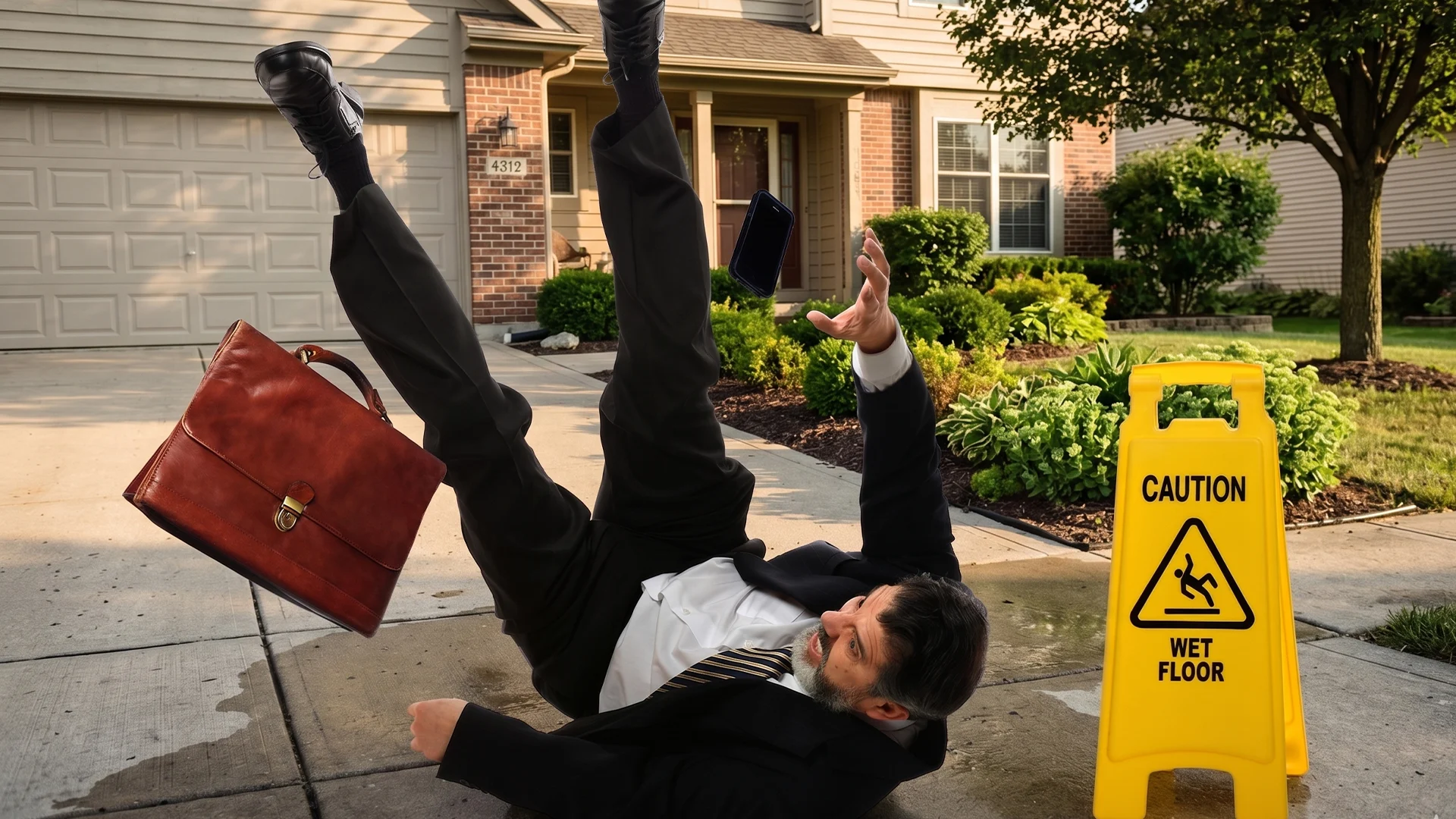
If you’re weighing up exposed aggregate for a driveway, path or pool surround, one question comes up again and again: is exposed aggregate slippery? The short answer is no it’s one of the most slip-resistant decorative concrete finishes you can choose. Its pebbled, textured surface grips far better than smooth, trowelled concrete, even in the wet. But “non-slip” isn’t automatic. The stone you choose, how the surface is finished and the sealer that goes over it all decide how safe it really is.
Key takeaways
- Exposed aggregate is naturally slip-resistant thanks to its raised stone texture.
- Most slipperiness comes from the wrong sealer, poor drainage, or moss and grime — not the concrete itself.
- A matte, slip-rated sealer with a grit additive keeps grip without dulling the look.
- Existing surfaces can be made safer by cleaning, resealing and improving drainage.
- The right mix and aggregate choice start with your concrete supplier, not just the installer.
Is exposed aggregate slippery when wet?
In most cases, no. Exposed aggregate concrete is textured by design. When you walk on it, your shoe contacts hundreds of small, raised stones that create traction — the force that stops you slipping. Think of a tyre on a gravel road versus one on ice: the grit grips.
That’s exactly why exposed aggregate is so popular for driveways, pathways and pool surrounds across Central Victoria, where surfaces face rain in winter and the occasional frost. Compared with smooth or polished concrete, which can turn slick the moment it’s wet, a well-finished aggregate surface holds its footing. Slip resistance in Australia is measured under standards like AS 4586, using ratings such as P1–P5 (pendulum) and R9–R13 (ramp) — and a properly finished aggregate surface generally performs strongly in the wet.
What makes exposed aggregate paving become slippery?
Exposed aggregate rarely becomes slippery on its own. When it does, the cause is almost always one of these:
- The wrong sealer. A cheap, high-gloss or topical sealer can form a smooth film over the stones, cancelling out the very texture that gives grip. This is the single biggest culprit.
- Over-troweling or shallow exposure. If too much cement paste is left on top during finishing, the stones never properly “show,” leaving a smoother, slicker surface.
- Moss, algae and grime. Over time, organic buildup fills the texture with a slimy film that gets dangerous when wet — common in shaded or damp spots.
- Poor drainage. Water pooling on the surface increases slip risk. Falls, grading and good site prep matter as much as the finish. For wet-prone areas, permeable concrete lets water drain straight through — see our comparison of permeable versus plain concrete.
How can I make exposed aggregate surfaces less slippery?
If you’re planning a new pour, you can build slip resistance in from the start. Get these right and the finished surface will grip for decades:
- Choose the right aggregate. Larger, more angular stones (and a slightly deeper exposure) give better grip than fine, rounded pebbles. Your supplier can match the stone to the application.
- Get the exposure depth right. A skilled finish washes away enough paste to reveal the stone without loosening it — the balance between beauty and traction.
- Specify a matte, slip-rated sealer. Ask for a penetrating sealer with an anti-slip additive rather than a glossy topical coat. Browse the options in our sealers and protectors range.
- Plan drainage and falls. Make sure water runs off, not across walking zones.
- Use a durable mix. Strength matters for longevity and surface integrity. If you’re unsure what grade to order, our guide to MPa in concrete and choosing the right grade explains it plainly.
Because we batch our own pre-mix concrete, we can advise on aggregate selection and mix design before a single load leaves the plant — something an installer working with someone else’s concrete can’t do.
How to make an existing exposed aggregate surface less slippery?
Already have a driveway or path that’s lost its grip? You don’t need to replace it. Work through these steps:
- Deep clean first. Pressure wash with a suitable degreaser to strip moss, algae and built-up grime out of the texture. This alone restores grip on many surfaces.
- Treat organic growth. Apply a moss and mould treatment to shaded areas so it doesn’t come straight back.
- Re-seal with a slip-rated product. If an old glossy sealer is the problem, strip it and reapply a matte, anti-slip sealer.
- Add a grit additive or anti-slip coating. A clear grit-infused treatment lifts traction without changing the appearance.
- Fix drainage issues. If water pools, address the falls or add drainage so the surface dries faster.
Most existing surfaces can be made noticeably safer in a weekend with the right products and a proper clean.
Which products are recommended to reduce slipperiness on exposed aggregate driveways?
A handful of product types do the heavy lifting. The right one depends on whether you’re sealing fresh concrete or treating an existing surface:
- Penetrating (matte) sealers — soak into the surface and protect without forming a slick film. The safest default for driveways and paths.
- Anti-slip sealer additives — fine grit (such as aluminium oxide or polymer beads) mixed into the sealer for extra traction; near-invisible once dry.
- Clear anti-slip treatments — applied over existing sealed surfaces to boost grip without a full re-seal.
- Quality degreasers and concrete cleaners — for the all-important deep clean before any treatment.
- Moss, mould and algae removers — to clear and prevent the slimy growth that causes most “slippery when wet” complaints.
Our sealers and protectors range covers slip-rated options suited to Central Victorian conditions. If you’re not sure what your surface needs, get in touch and we’ll point you to the right product.
Planning an exposed aggregate project in Central Victoria
Getting a safe, good-looking finish starts well before the pour — with the right mix, the right aggregate and a supplier who knows the local conditions. Working out how much concrete you need is easy with our concrete calculator, and our honest guide to concrete cost per m³ in Victoria helps you budget with no surprises.
There’s also a real advantage to ordering from a nearby, family-run plant rather than a faceless giant — we explain it in why local beats large when choosing a concrete supplier in Central Victoria. Fresher concrete, local know-how and someone who actually answers the phone.
Frequently asked questions
Is exposed aggregate slippery around pools?
No its texture makes it a popular, grippy choice for pool surrounds. Use a matte, slip-rated sealer and keep it free of algae for the best result.
Does sealing make exposed aggregate slippery?
Only the wrong sealer does. A glossy topical sealer can; a matte penetrating sealer with a grit additive keeps it slip-resistant.
What’s the most slip-resistant concrete finish?
Exposed aggregate and broom-finished concrete top the list for outdoor grip, well ahead of smooth, honed or polished finishes.
Is exposed aggregate good for sloped driveways?
Yes its traction makes it well suited to slopes, provided drainage is planned and a slip-rated sealer is used.
Ready to plan a safe, durable exposed aggregate surface? Contact Broadmix for advice on the right mix, aggregate and sealer for your project.